News
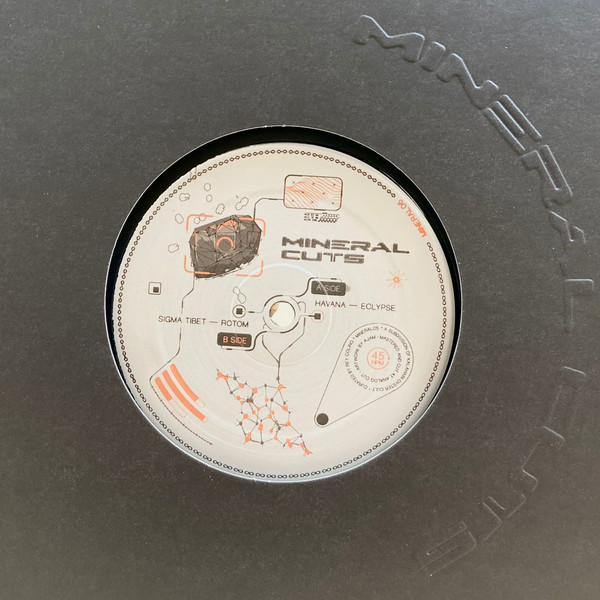
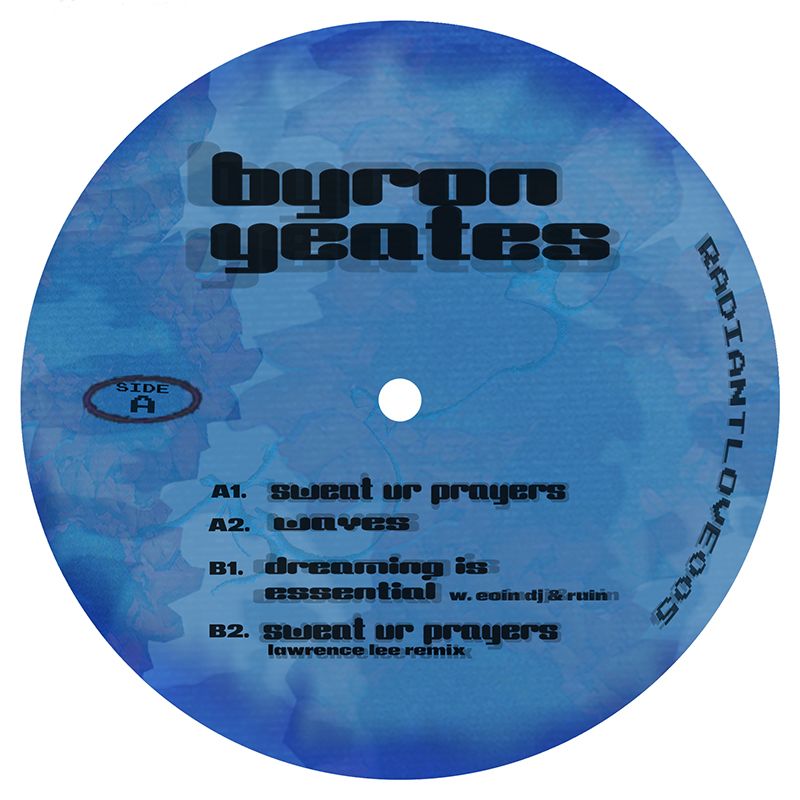
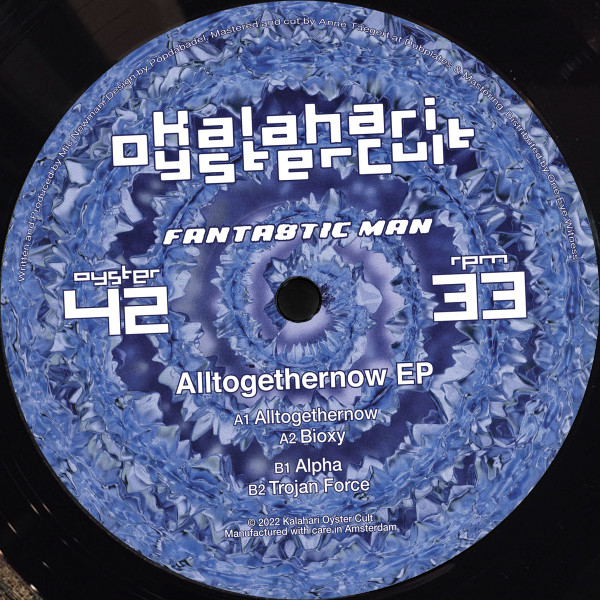








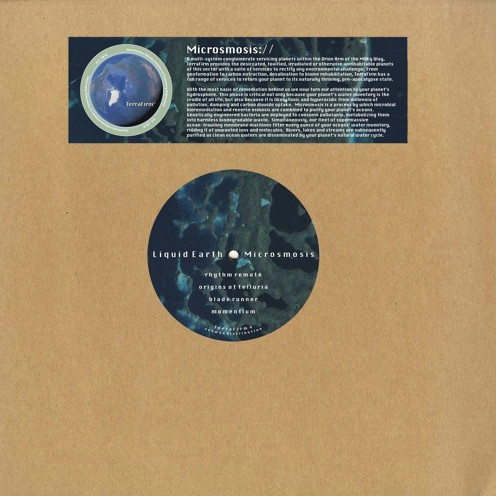

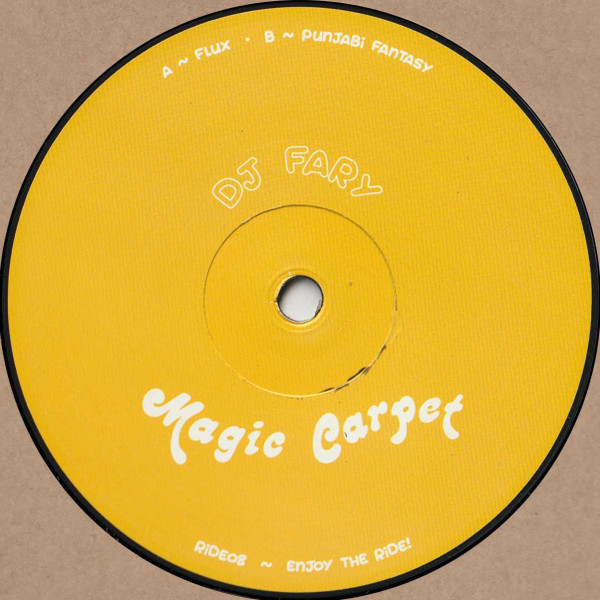


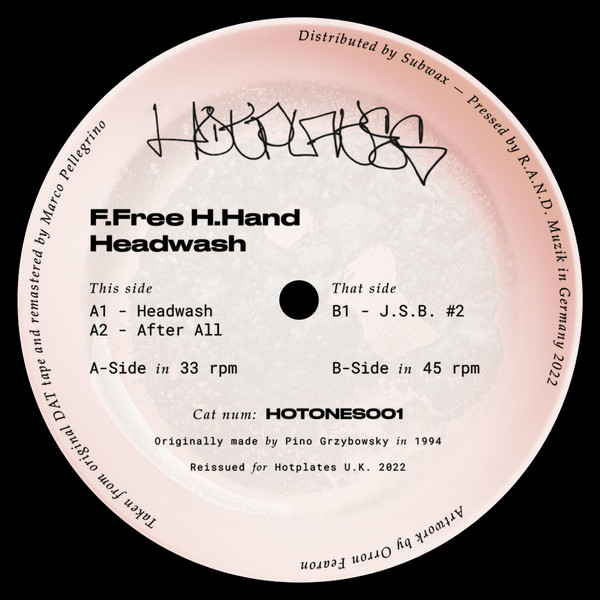


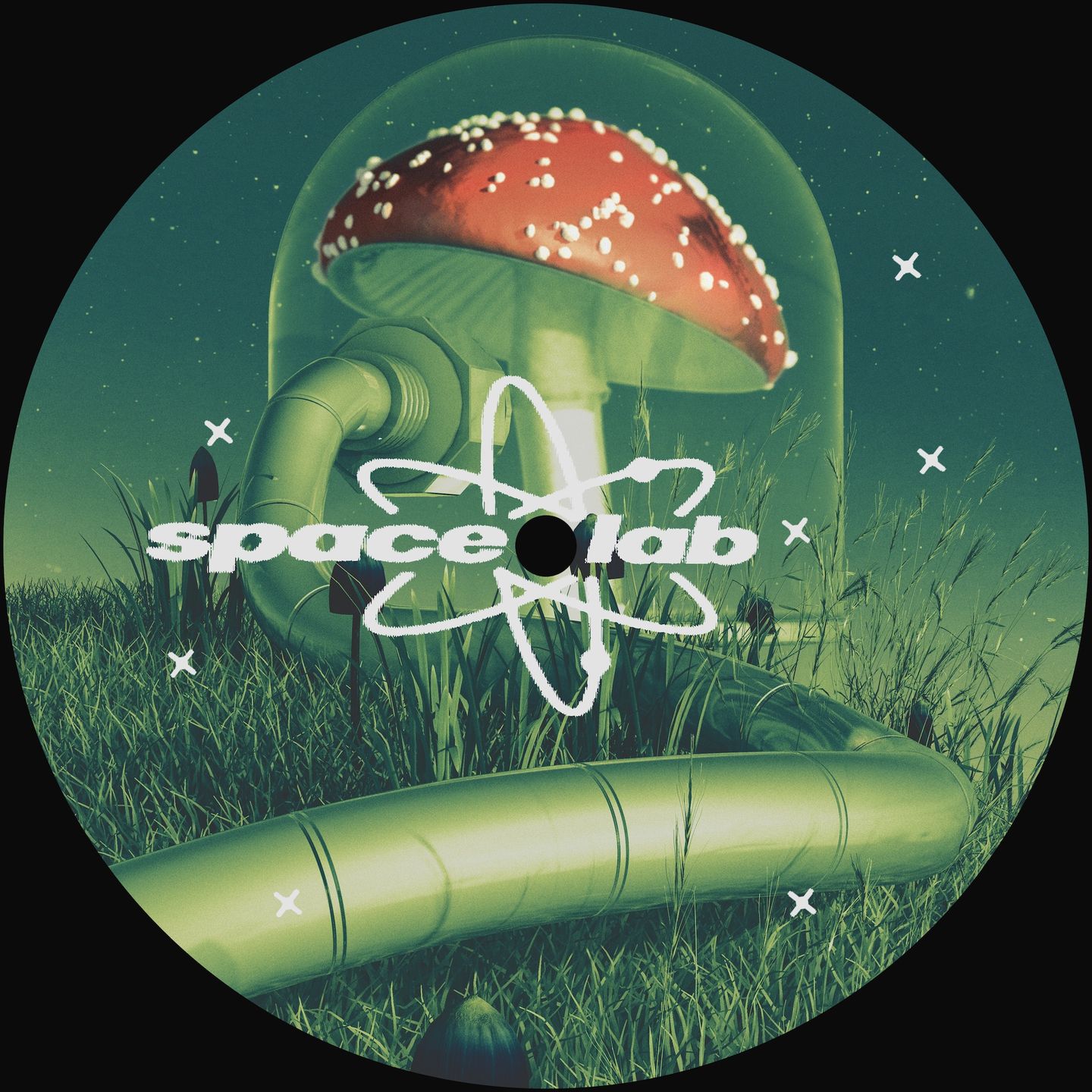

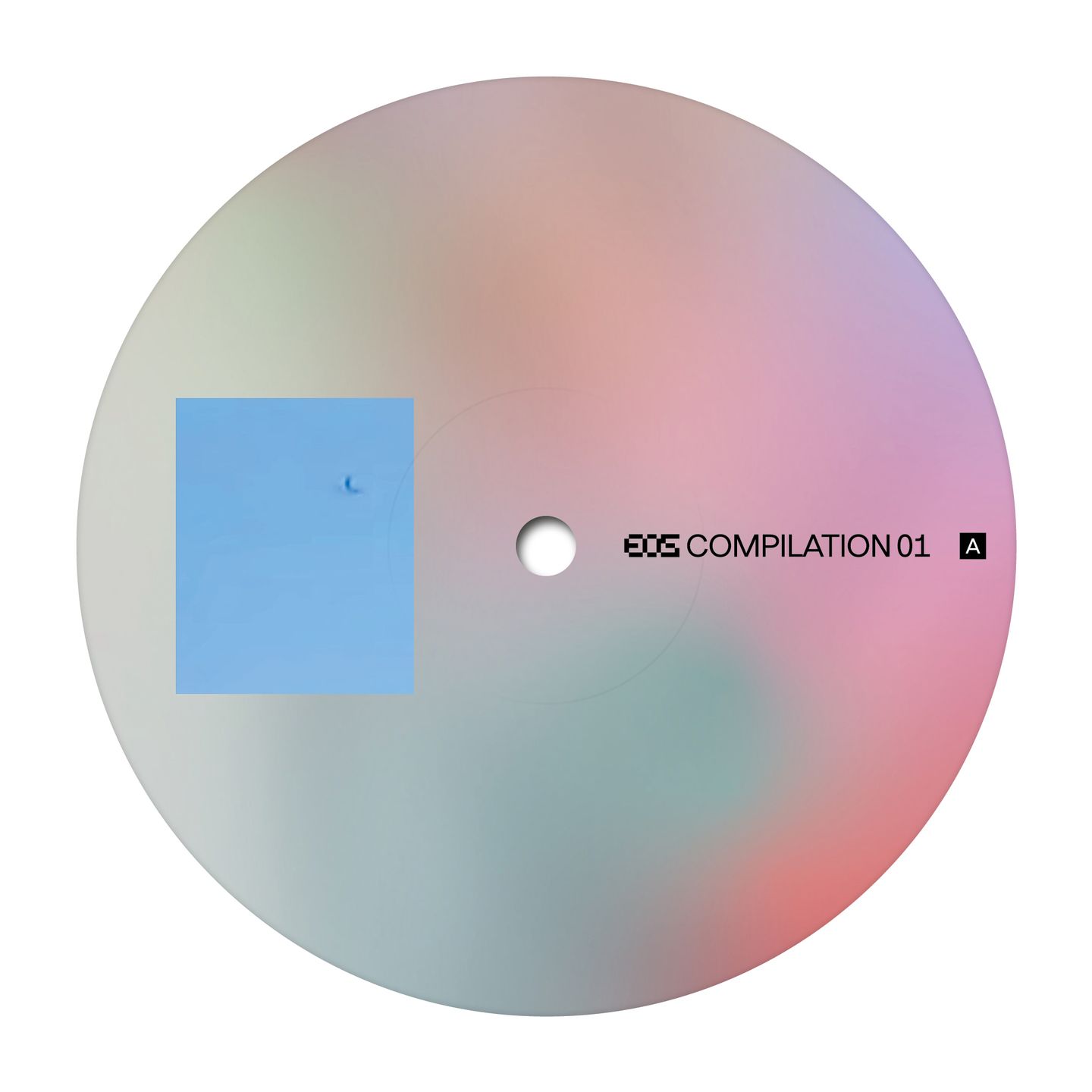

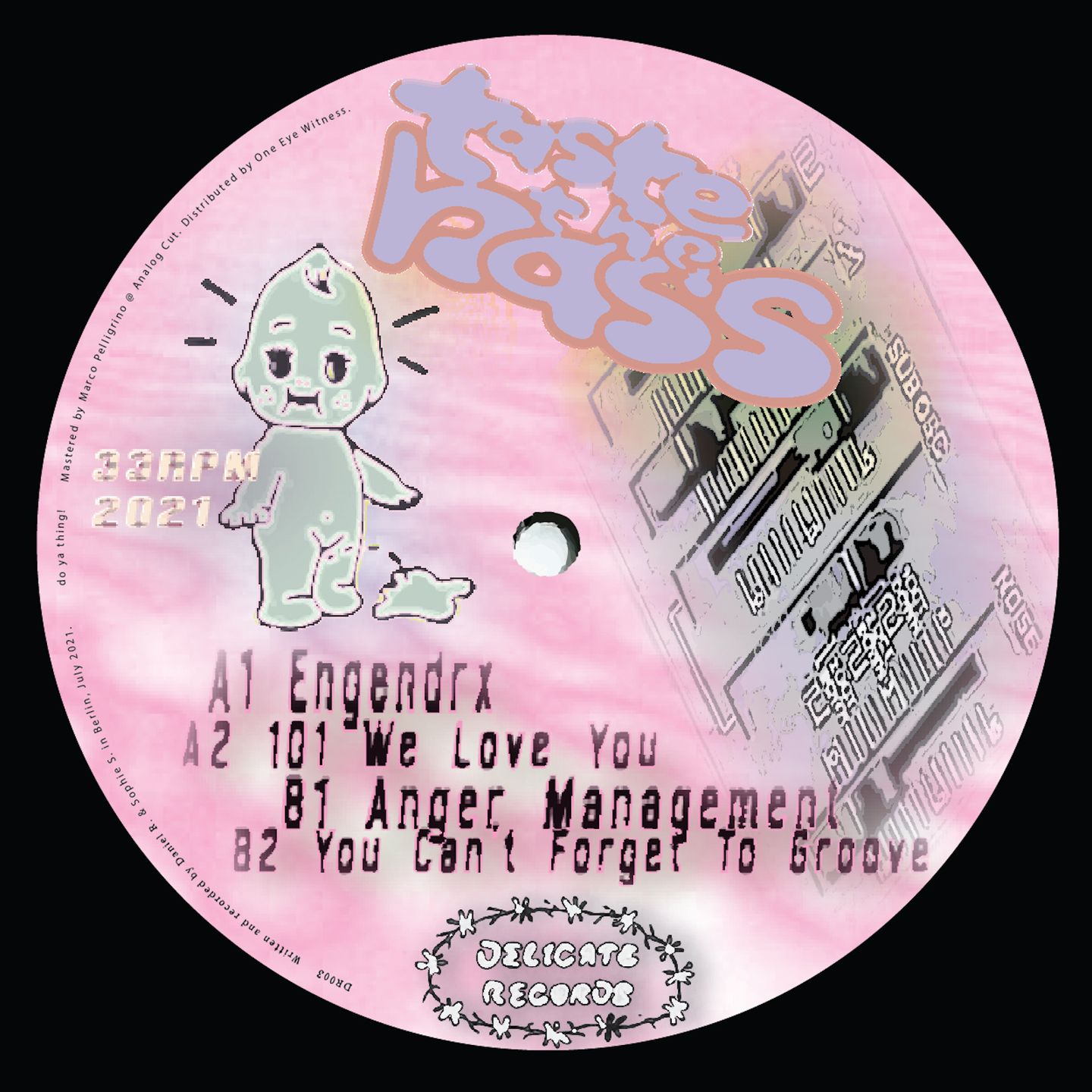



Independent record stores have long served as cultural hubs for electronic music enthusiasts, offering carefully curated selections that reflect the tastes of dedicated selectors and curious newcomers alike. A store rooted in a particular city often carries the imprint of local scenes, while also acting as a window onto international movements happening in basements, warehouses, and small studios far beyond its own neighbourhood. The role of such a shop extends well beyond simple retail, functioning instead as a meeting point for producers, DJs, and listeners who share a common vocabulary of rhythm and sound. This sense of community is part of what makes independent record shops enduringly relevant.
Distribution lies at the heart of how underground music reaches its audience. Independent distributors work closely with small labels and self-releasing artists to ensure that records, tapes, and digital files find their way into the hands of people who will actually play them. Without these networks, many striking and unusual releases would struggle to travel beyond the cities where they were produced. A thoughtful distributor acts as a bridge between creators and supporters, helping labels manage logistics, promotion, and outreach while preserving the artistic intent behind each project. This careful coordination is essential to a healthy ecosystem of underground electronic music.
House music remains one of the most enduring and adaptable forms of dance music. Born in the clubs of Chicago, it has continuously reinvented itself through decades of evolution, absorbing influences from disco, soul, and jazz while retaining its foundational groove. Deep house strips the tempo back to a smoother, more introspective pace, while acid house injects squelching synthesiser lines that have become iconic in their own right. Producers working in the house tradition often draw on a rich palette of warm basslines, soulful vocal samples, and crisp drum programming, creating tracks that feel equally at home on late-night radio or a packed dancefloor.
Techno, as a genre and a culture, has grown into a global phenomenon while maintaining strong ties to its Detroit origins. Its relentless drive, mechanical precision, and futuristic atmospherics have inspired countless producers to explore the boundaries of electronic sound. Modern techno draws on a wide spectrum of influences, from industrial noise to ambient textures, often resulting in records that are both physically powerful and emotionally complex. Clubs around the world continue to celebrate the genre, and festivals dedicated to its various substyles have emerged in many cities. The ongoing creativity within techno suggests that its capacity for reinvention remains far from exhausted.
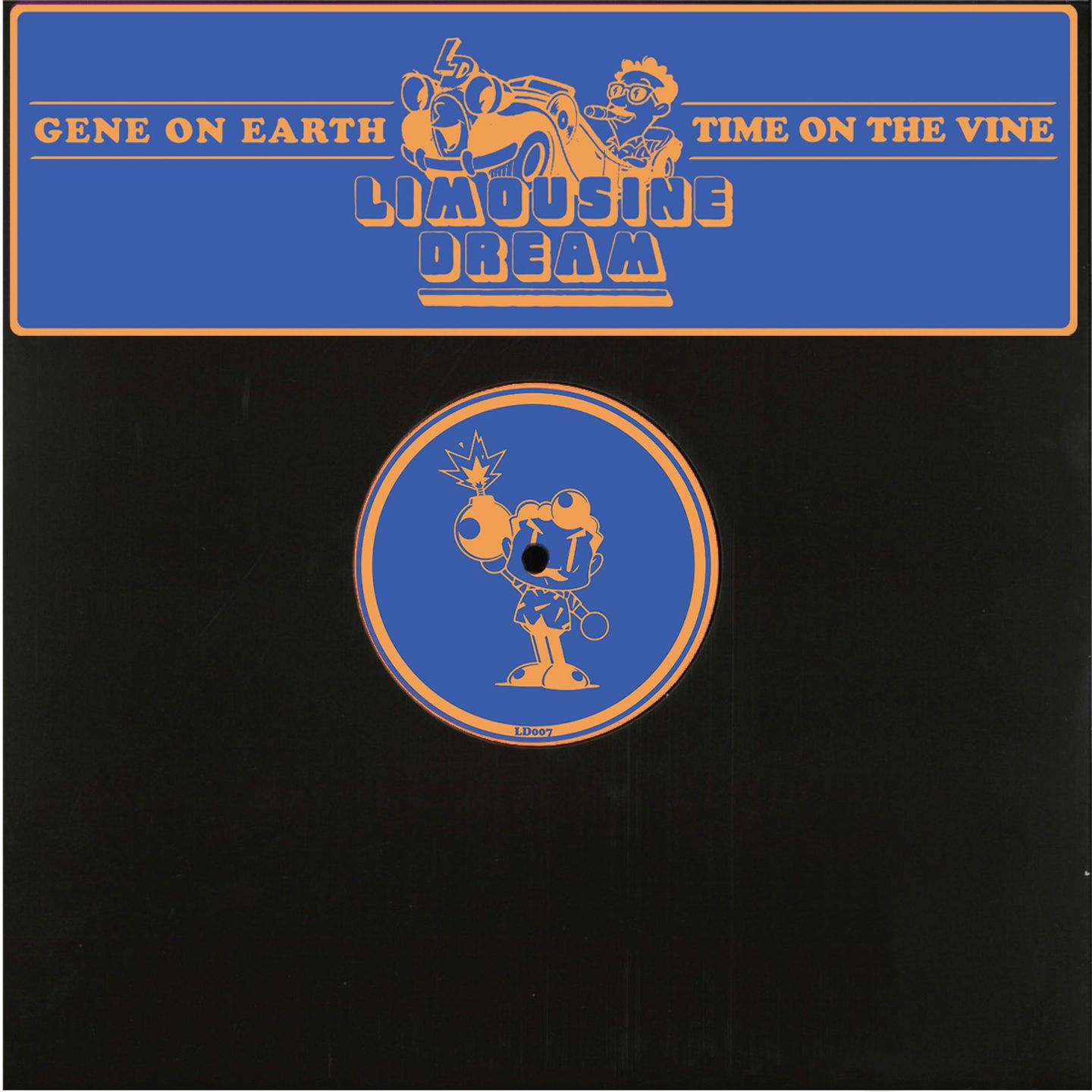
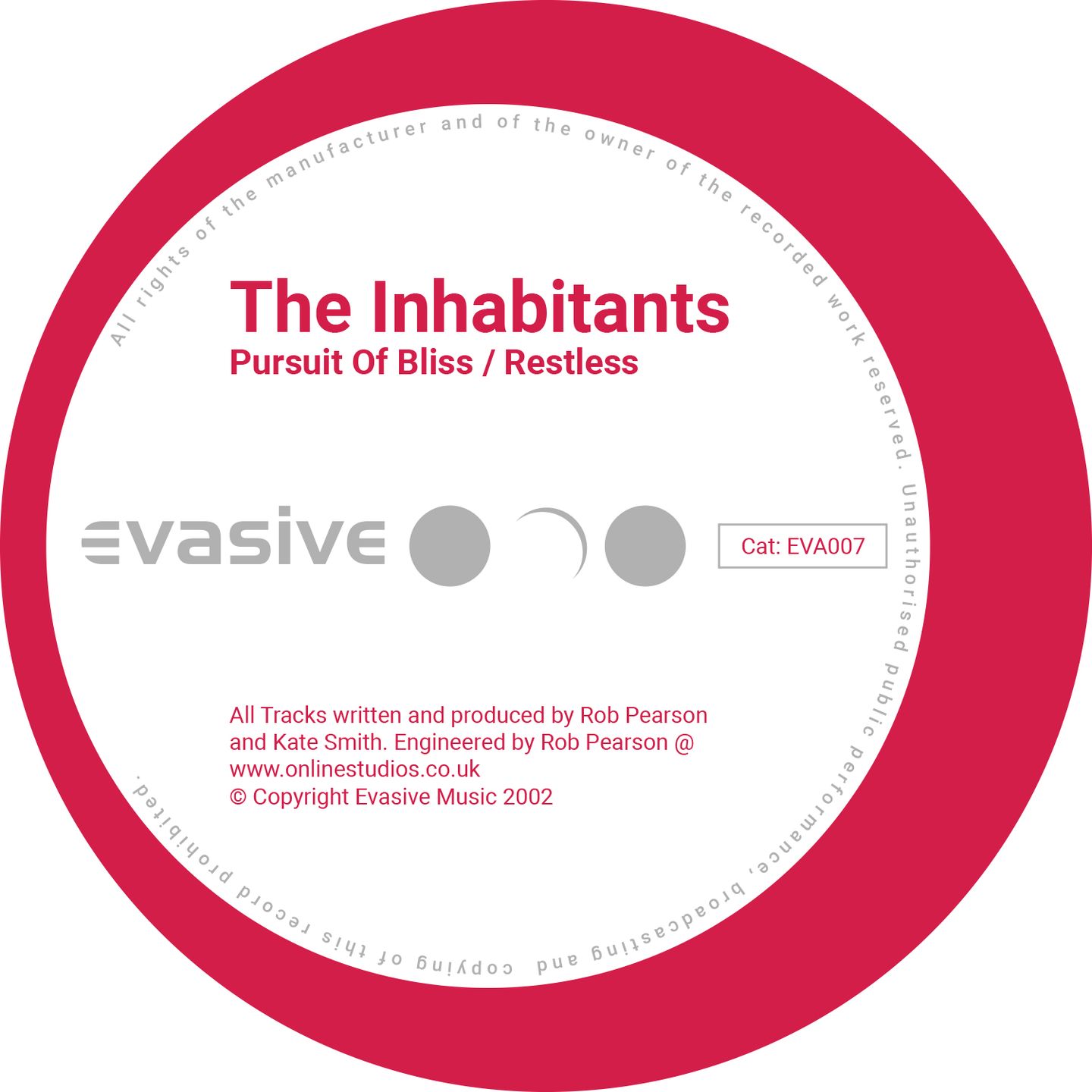
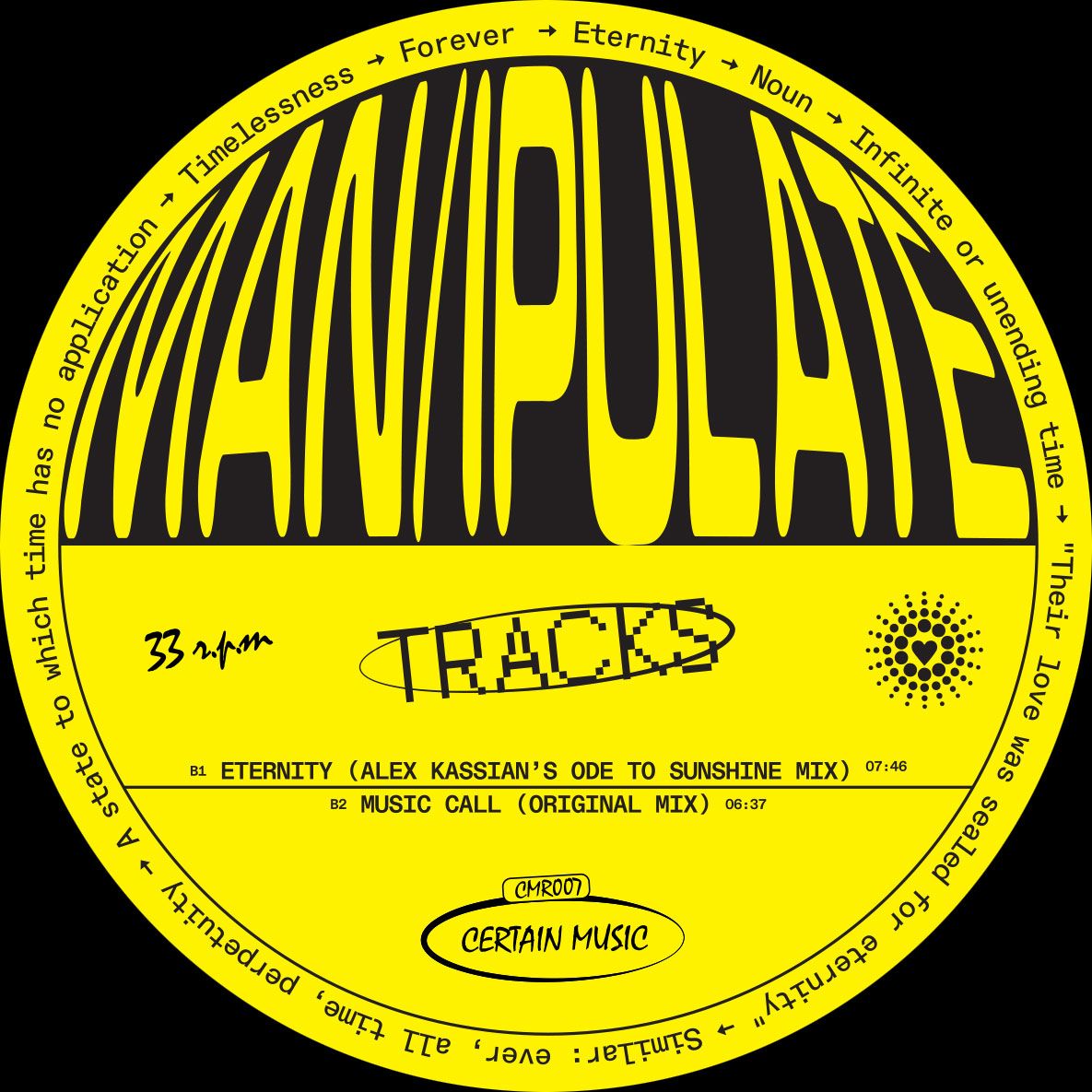
Vinyl has experienced a remarkable resurgence in recent years, with younger listeners joining seasoned collectors in appreciating the format's tangible and sonic qualities. For DJs, the tactile experience of handling records remains an integral part of the craft, offering a direct connection to the music that digital interfaces cannot fully replicate. Beyond functionality, vinyl carries a sense of ceremony, from the artwork on the sleeve to the careful placement of the needle. Many independent labels continue to press their releases on vinyl, recognising that the format has both practical value for working DJs and lasting appeal for dedicated enthusiasts.
Synthesizers occupy a central place in the sound of modern electronic music. From the warm, analogue tones of classic hardware to the limitless possibilities offered by contemporary digital instruments, synthesisers shape the textures and timbres that define entire genres. Pads, leads, and basses crafted through thoughtful sound design can transform a simple drum pattern into an immersive listening experience. Many producers favour a hybrid approach, blending hardware and software to capture the character of vintage gear while taking advantage of modern flexibility. The result is a rich and varied sonic landscape that continues to evolve alongside new technology.
Record labels function as creative platforms, bringing together artists, engineers, designers, and distributors around a shared vision. Imprints often cultivate a recognisable aesthetic, whether through striking visual identity, a consistent sonic palette, or a commitment to particular formats. The relationship between a label and its roster is collaborative, with both parties contributing to the development of each release. A well-run label can amplify an artist's reach while also providing the support and structure needed to realise ambitious projects. This collaborative spirit is a hallmark of independent music culture worldwide.
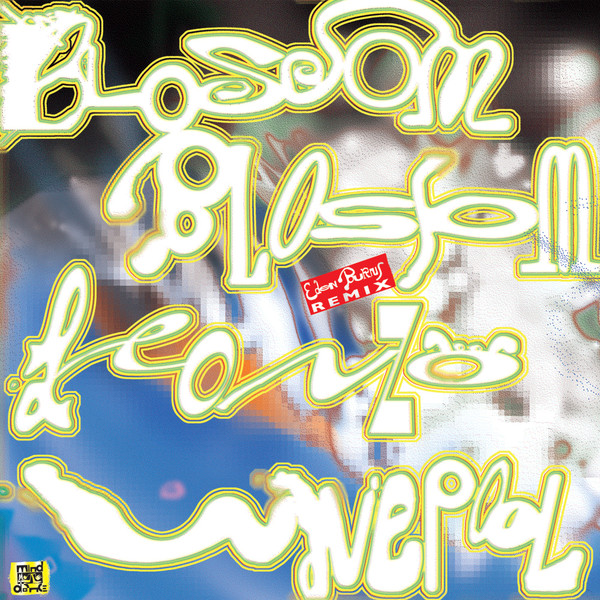
Remixing is a long-standing practice within electronic music, allowing artists to reinterpret existing works through their own creative lens. A thoughtful remix can illuminate hidden qualities of a track, shifting its mood, tempo, or arrangement while preserving the essence of the original. For producers, invitations to remix offer a chance to engage with peers and contribute to ongoing musical conversations. Labels frequently commission remixes as a way to extend the life of a release and introduce it to new audiences. The result is often a fascinating dialogue between different artistic perspectives, captured within a single piece of music.
Building a meaningful record collection is a journey shaped by personal taste, curiosity, and the discovery of new sounds. Listeners often find themselves drawn to particular eras, scenes, or sonic qualities, gradually developing a deeper understanding of the music they love. Record stores play a vital role in this process, offering knowledgeable guidance and surprising finds that might otherwise go unnoticed. Whether someone is seeking driving techno, dreamy house, or experimental breakbeat, the act of searching itself becomes part of the pleasure, turning each visit into an opportunity for musical discovery.





Pre-orders